Collapsed Drains in Luton: Signs, Causes and Repair Options
Drains are an essential part of any property in Luton, responsible for safely carrying wastewater away from homes and businesses. When a drain collapses, it can cause significant problems beneath the surface that are not always immediately obvious. Understanding the early signs and causes of collapsed drains can help homeowners in Bedfordshire act quickly to prevent further damage.
Collapsed drains are a common issue in older parts of Luton and nearby towns such as Dunstable or Houghton Regis, often due to the age of the pipes and the local ground conditions. This article covers what a collapsed drain is, how to spot the warning signs, what typically causes collapse, and what repair options are available to restore proper drainage.
What Is a Collapsed Drain?
A collapsed drain occurs when a section of underground drainage pipe becomes broken, crushed, or severely damaged such that it no longer functions properly. This can happen when the pipe walls crack or cave in, blocking the flow of water and sewage.
In Luton and the wider Bedfordshire area, many properties have drainage systems dating back several decades. Over time, wear and tear, shifting soil, or external pressure can weaken pipes, leading to collapse. Once a drain has collapsed, sewage and water may start to back up or leak into surrounding soil.
Collapsed drains are more serious than simple blockages because the structural integrity of the pipe is compromised. This means that conventional drain clearing methods often won’t fix the problem, requiring more extensive repairs.
Telltale Signs of a Collapsed Drain
Persistent drain blockages that do not respond to standard clearing methods can be a key indicator of a collapsed drain. If water or waste keeps backing up despite repeated attempts to clear the pipe, it’s likely there is a structural issue causing the blockage.
Damp patches or unpleasant smells around your garden or property boundaries in Luton, especially near inspection chambers, can suggest leakage from damaged pipes underground. This moisture can also cause erosion or affect foundations if left untreated.
More visible signs include subsidence or small sinkholes forming on lawns or driveways. These surface collapses occur when the soil underneath the drain erodes following a pipe collapse, creating unstable ground above. Such issues are often reported by homeowners in towns like Leagrave, Stopsley, or Bramingham where older drainage systems are common.
Common Causes of Drain Collapse in Luton
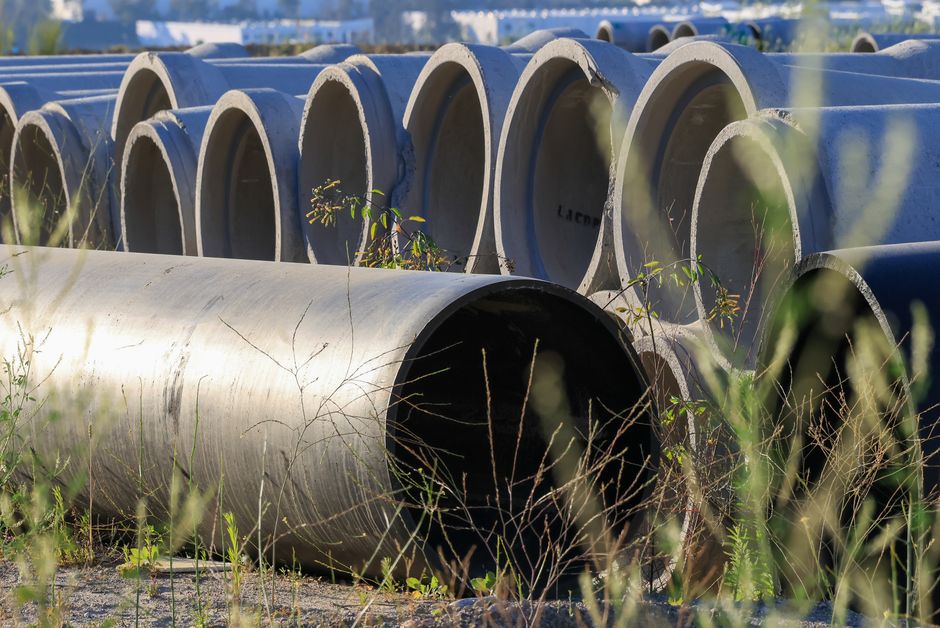
One of the main causes of collapsed drains is the natural degradation of pipe materials over time. Older clay or concrete pipes used in Luton’s drainage infrastructure can crack or become brittle, especially when exposed to shifting soil or tree root invasion.
Tree roots are a frequent culprit. Roots naturally seek out moisture and can penetrate small cracks or joints in pipes, gradually enlarging cracks until sections collapse. Gardens in areas like Barton-le-Clay or Caddington with mature trees are particularly vulnerable.
Ground movement due to changes in soil moisture levels, such as after heavy rainfall or dry periods, can cause pipes to move, crack or collapse. Additionally, increased traffic loads from nearby roads or vehicle movements can place external pressure on underground drains, especially if the pipes are shallow or poorly supported.
How Collapsed Drains Are Diagnosed
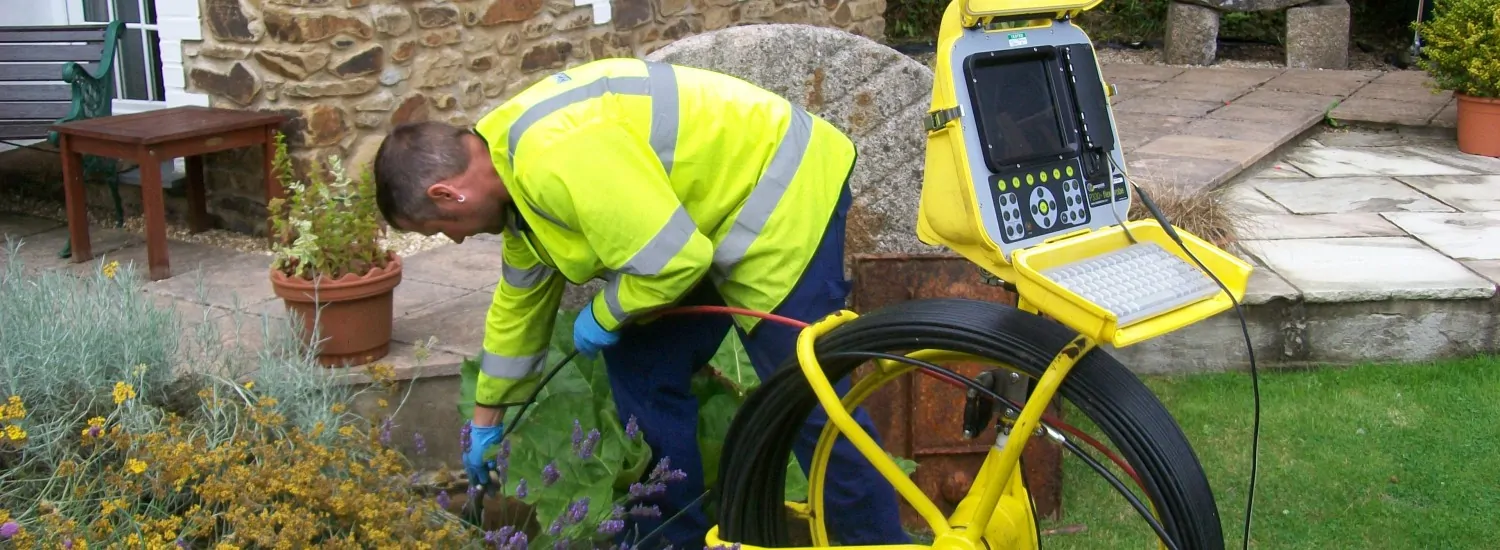
Diagnosing a collapsed drain involves more than just visual inspection, as the damage is underground and not usually visible. Drain specialists typically use CCTV camera surveys inserted into the drainage system to locate the exact point and extent of the collapse.
In Luton and surrounding areas like Slip End or Streatley, these surveys are invaluable because they provide a clear picture of the pipe condition without excavation. The camera can navigate through pipes to detect blockages, breaks, root ingress, or collapsed sections.
Sometimes, additional tests such as dye tracing or smoke testing may be used alongside CCTV to track water flow and identify leaks or faulty connections feeding into the damaged drain.
Repair Options for Collapsed Drains
Once a collapsed drain is confirmed, there are several repair options depending on the severity and location of the damage. Traditional excavation involves digging up the affected pipe section and replacing it with new pipework, which can be disruptive but is sometimes necessary in Luton properties with deep or complex drainage layouts.
Trenchless repair methods are increasingly popular. Techniques like pipe relining or pipe bursting can restore the drain’s functionality without extensive digging. Relining involves inserting a resin-coated liner into the existing pipe which hardens to form a new pipe within the old one, commonly used in residential properties in Bedfordshire.
In some cases, partial repairs targeting the collapsed sections combined with root treatment or drainage system upgrades may be recommended to prevent recurrence. Prompt attention to repairs helps avoid worsening subsidence or costly structural damage to your property.
Local Considerations for Luton Homeowners
Drainage systems in Luton often connect to shared or public sewers managed by local authorities. It’s important for homeowners to confirm ownership and responsibility for the damaged drain before proceeding with repairs. In some cases, collapsed drains may be the council’s responsibility if they lie beyond the property boundary.
The local soil composition in Bedfordshire, which can vary from heavier clay to sandy soils, also influences drainage performance and susceptibility to pipe damage. Clay soils tend to expand and contract with moisture changes, stressing pipes more than sandy soils found near areas like Bushmead or Wigmore.
If you notice signs of drainage problems, early investigation is crucial. Delaying repairs in Luton’s climate, where seasonal rains can exacerbate underground damage, often results in increased repair costs and surface damage. Engaging drainage professionals familiar with local conditions ensures effective diagnosis and appropriate solutions.
Preventing Drain Collapse in Your Luton Property
Regular maintenance is key to preventing drain collapse. Clearing blockages promptly, avoiding flushing inappropriate materials, and keeping gutters and drains free of debris can reduce strain on your drainage system. Homeowners in Round Green and Limbury should be vigilant during autumn when leaf fall can clog drains.
Monitoring garden trees and shrubs is also important. Consider planting away from drainage lines and routinely inspecting for root damage. If tree roots invade drains, professional root cutting combined with root barrier installation can protect the pipes without harming the trees.
Lastly, addressing minor drainage issues early—such as slow draining sinks or small damp patches—can prevent escalation to collapsed drains. Scheduling regular CCTV drain surveys every few years is a practical way to monitor the condition and catch problems before they become urgent.
Need a drainage expert in Luton?
Call 0800 669 6492